Guests/Speakers
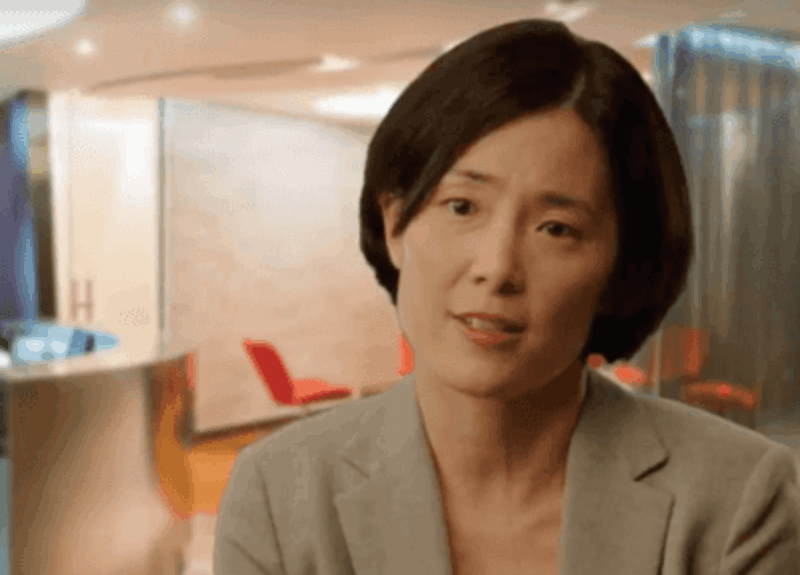
Dr. Alice Shaw
Director, Center for Thoracic Cancers, Dana-Farber Cancer Institute
Professor of Medicine, Harvard Medical School
Dr. Alice Shaw is an internationally recognised expert in targeted therapies for lung cancer, particularly for patients with ALK and ROS1 rearrangements. Her groundbreaking research has been instrumental in developing and testing next-generation targeted therapies that have transformed outcomes for patients with rare oncogene-driven lung cancers.
Learn more about Dr. Shaw’s work:
Dana-Farber Cancer Institute – Thoracic Oncology
Harvard Catalyst Profile
Host: Annabelle Gurwitch, New York Times Bestselling Author | LCFA Speakers Bureau Member | Survivor
Annabelle brings her signature wit and unflinching honesty to conversations about life with lung cancer. She cuts through platitudes and toxic positivity to reveal the real, messy, beautiful truth of survival. Diagnosed with EGFR-mutated lung cancer five years ago, Annabelle uses her platform to advocate for patients and raise awareness about the realities of living with this disease.
Learn more about Annabelle:
Communication between lung cancer patients and their oncologists has never been more important—or more complex. With today’s expanding treatment options, including targeted therapies, immunotherapy, and combination approaches, the conversations patients have with their doctors can significantly impact their care and quality of life.
Host Annabelle Gurwitch sits down with thoracic oncologist Dr. Alice Shaw to explore the art and science of doctor-patient communication. Their conversation offers practical strategies for patients navigating the often overwhelming landscape of lung cancer treatment.
Understanding Where You’re Starting
Dr. Shaw emphasizes the importance of that first meeting with a new patient. “Part of the reason I take a long time in my first meeting is because I want to get to know patients outside of their cancer,” she explains. “What were they like before this whole diagnosis happened? Because that really helps you understand where they’re coming from.”
This patient-centered approach allows oncologists to tailor not just treatments, but also how they communicate information. Some patients want to dive into the latest research, while others prefer to focus simply on the best treatment option. Dr. Shaw notes that while she used to see more patients who didn’t want detailed information, today’s patients are generally coming in wanting to know more.
The Power of Stating Your Goals
Annabelle shares a communication framework suggested by Dr. Jorge Gomez of Mount Sinai: “This is what my goal is. How close can you get me to achieving that?”
This simple statement accomplishes something powerful—it requires patients to first reflect on what matters most to them. For a parent with young children, the goal might be aggressive treatment to maximize time. For someone who prioritizes travel and work, minimizing treatment side effects might take precedence.
“I don’t have patients saying exactly that,” Dr. Shaw admits, “but I think that’s right on… I feel like our conversations ultimately get to that.”
Biomarker Testing: The Foundation of Modern Treatment
The conversation touches on how dramatically lung cancer treatment has evolved. Twenty years ago, options were limited to chemotherapy, radiation, and surgery. Today, understanding the specific biology of a patient’s cancer through biomarker testing opens doors to targeted therapies that can be remarkably effective.
Dr. Shaw uses a memorable metaphor to explain oncogenic drivers:
“These alterations that can occur in key genes now are putting the gas down, putting your foot on the gas pedal, and there’s no brakes around… you’re just go, go, go.”
Communicating About Side Effects
One of the most critical—and often challenging—aspects of doctor-patient communication involves side effects. Dr. Shaw stresses that patients need to be explicit about how side effects impact their daily lives.
“If a patient sees their physician and they say, ‘I’m kind of tired,’ if that is where it ends… you might very well just say, just keep going with your drug,” she explains. Instead, she encourages patients to quantify their experience: “If you were at a hundred percent before we started this drug, where do you think you are now?
Annabelle shares her own experience of suffering through severe side effects because she didn’t know dose reduction was an option. Dr. Shaw confirms that discussing potential dose adjustments should be a standard part of treatment conversations, especially for targeted therapies where dose reductions are common.
The Value of Community
Both speakers emphasize the importance of connecting with lung cancer communities. Dr. Shaw actively directs patients to support groups like EGFR Resisters, ALK Positives, and ROS1ders, noting that these communities have “blossomed” alongside advances in treatment.
“I’ve been so impressed that they get great advice from other patients and sometimes maybe even better advice than from their own providers because they’re talking to patients who are living with the same side effects,” Dr. Shaw observes.
When to Seek a Second Opinion
The episode concludes with a discussion about second opinions. Dr. Shaw encourages patients to seek additional perspectives, especially when treatment decisions are unclear.
“This therapeutic landscape of lung cancer is so complicated now. There are so many new developments. There are so many clinical trials. I would hope most oncologists would feel like it’s absolutely reasonable to get a second opinion.”
For patients worried about offending their doctor, Dr. Shaw offers reassurance: seeking another expert’s perspective isn’t a betrayal—it’s good medicine.